
A landscape contractor Singapore’s government hired in 1967 couldn’t have known they were planting the seeds of what would become one of Asia’s most defining urban transformations. On a sweltering afternoon in Toa Payoh, Mr. Leong parks his weathered truck alongside a newly completed Housing Development Board block, wiping sweat from his brow as he surveys the property. For three generations, his family has shaped this island’s relationship with the living world, translating architectural renderings into the lush reality that foreign visitors now associate with the Garden City. But beneath the postcard perfection lies a complex ecosystem of labour, aspiration, and sacrifice that few tourists—or locals—ever truly see.
The Invisible Workforce
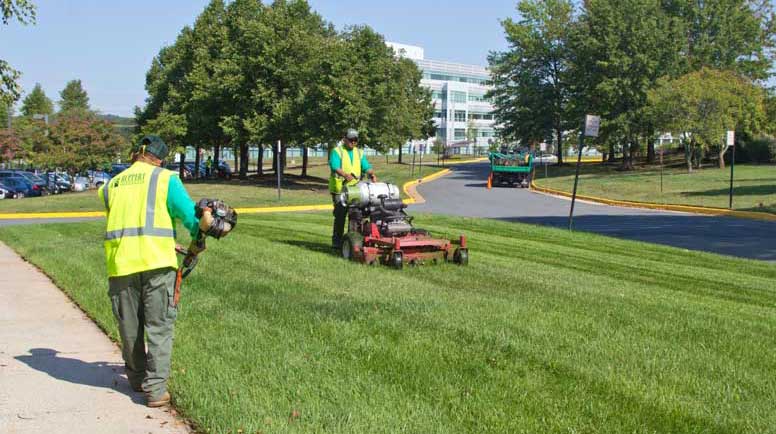
At 5:30 AM, long before Singapore’s office towers fill with workers, Hanif and his team of five gather in a small dormitory room in Woodlands. They share a quick breakfast of roti prata and teh tarik before loading into a van that has seen better days. By sunrise, they’ll be pruning the immaculate hedges that line Orchard Road, their movements so practiced they appear choreographed. Despite creating the verdant backdrop for countless tourist photographs, these men remain largely unseen.
“We are like ghosts,” Hanif says with a quiet laugh. “People notice immediately if the plants look bad, but they never notice us unless we are in their way.”
According to the Ministry of Manpower, over 15,000 foreign workers labour in Singapore’s landscaping sector, most earning between $400-800 monthly. Their contributions have helped Singapore maintain its status as one of the world’s greenest urban environments, yet their stories remain largely untold.
Between Vision and Execution
Lee Mei Ling represents the new face of Singapore’s landscape contracting industry. A landscape architect by training, she bridges the gap between the ambitious visions of property developers and the practical realities of implementation. In her air-conditioned office overlooking Marina Bay, she unfurls plans for a condominium’s rooftop garden while explaining the intricate dance of stakeholders involved.
“What looks simple on paper rarely is,” she explains. “A single rooftop garden involves coordination between structural engineers, irrigation specialists, procurement officers, and maintenance teams. Behind every square metre of greenery lies a complex web of calculations and compromises.”
The landscape contracting business in Singapore has evolved dramatically over the past two decades:
- Project complexity has increased tenfold, with vertical gardens and rooftop forests becoming standard features
- Sustainability requirements now mandate water catchment systems and biodiversity considerations
- Climate resilience has become paramount, with plant selections adapted for rising temperatures
- Technology integration includes automated irrigation systems and digital monitoring platforms
- Client expectations have shifted toward spaces that look established from day one
“The greatest challenge,” Mei Ling adds, “is creating landscapes that appear effortlessly natural while engineering them to withstand monsoons, droughts, and the constant pressure of urban density.”
The Economics of Green
For property owners in Singapore, landscape contracting represents both necessary expense and potential investment. The National Parks Board’s research indicates that well-designed green spaces can increase property values by 10-15%, while reducing energy costs through natural cooling.
Chan Wei Ming, who manages several commercial properties along the Shenton Way corridor, tracks these numbers carefully. “The initial outlay for quality landscaping might seem steep, but our analysis shows it pays for itself within five to seven years through energy savings alone. Add the productivity benefits for office workers who have access to green spaces, and the ROI becomes compelling.”
According to Singapore Green Building Council:
- Properties with certified green infrastructure command 16% higher rental rates
- Employee productivity increases 8-11% in offices with biophilic design elements
- Well-maintained landscapes reduce ambient temperatures by 1-2°C
- Strategic planting can reduce building cooling costs by up to 20%
- Green infrastructure contributes significantly to stormwater management, reducing flood risks
The Human Element
Behind the economic calculations and architectural renderings lie human stories that reveal deeper truths about the nature of work and worth in Singapore’s carefully cultivated paradise.
For contractors like Ahmad Zaki, who started as a general labourer and now runs a small maintenance crew in the eastern districts, the landscape represents both livelihood and legacy. “Every time I pass Bedok Reservoir with my children, I point to the trees my team planted fifteen years ago. They’re taller than buildings now. That’s something money cannot buy—to see your work grow into something beautiful for everyone.”
The pandemic revealed the precarious position many landscape workers occupy. When circuit breaker measures halted non-essential activities in 2020, thousands found themselves suddenly without income. As one worker from Tamil Nadu explained, “The plants keep growing even when the economy stops.”
Beyond Aesthetics
Singapore’s investment in its green infrastructure transcends mere beautification. In a nation perpetually concerned with resource limitations, landscapes must perform multiple functions simultaneously—providing recreation, managing stormwater, cooling urban heat islands, supporting biodiversity, and reinforcing national identity.
Professor Tan Puay Yok of the National University of Singapore’s School of Design and Environment notes, “What makes Singapore’s approach remarkable is the integration of aesthetic and functional concerns. Our most successful projects deliver ecosystem services while creating spaces people genuinely want to inhabit.”
As climate change intensifies, landscape contractors find themselves increasingly on the front lines of adaptation efforts. From selecting drought-resistant species to engineering bioswales that manage flash floods, their work has taken on new urgency and importance.
In a rapidly changing world, perhaps no profession better embodies Singapore’s pragmatic idealism than the landscape contractor. Singapore’s journey from “Garden City” to “City in a Garden” continues through their daily efforts, one plant at a time.